How Much Money Do People Store In Their Safes
Here'south How Much Cash Yous Need Stashed if a National Emergency Happens
Are yous financially prepared for a major emergency?
Why You lot Need a National Emergency Fund

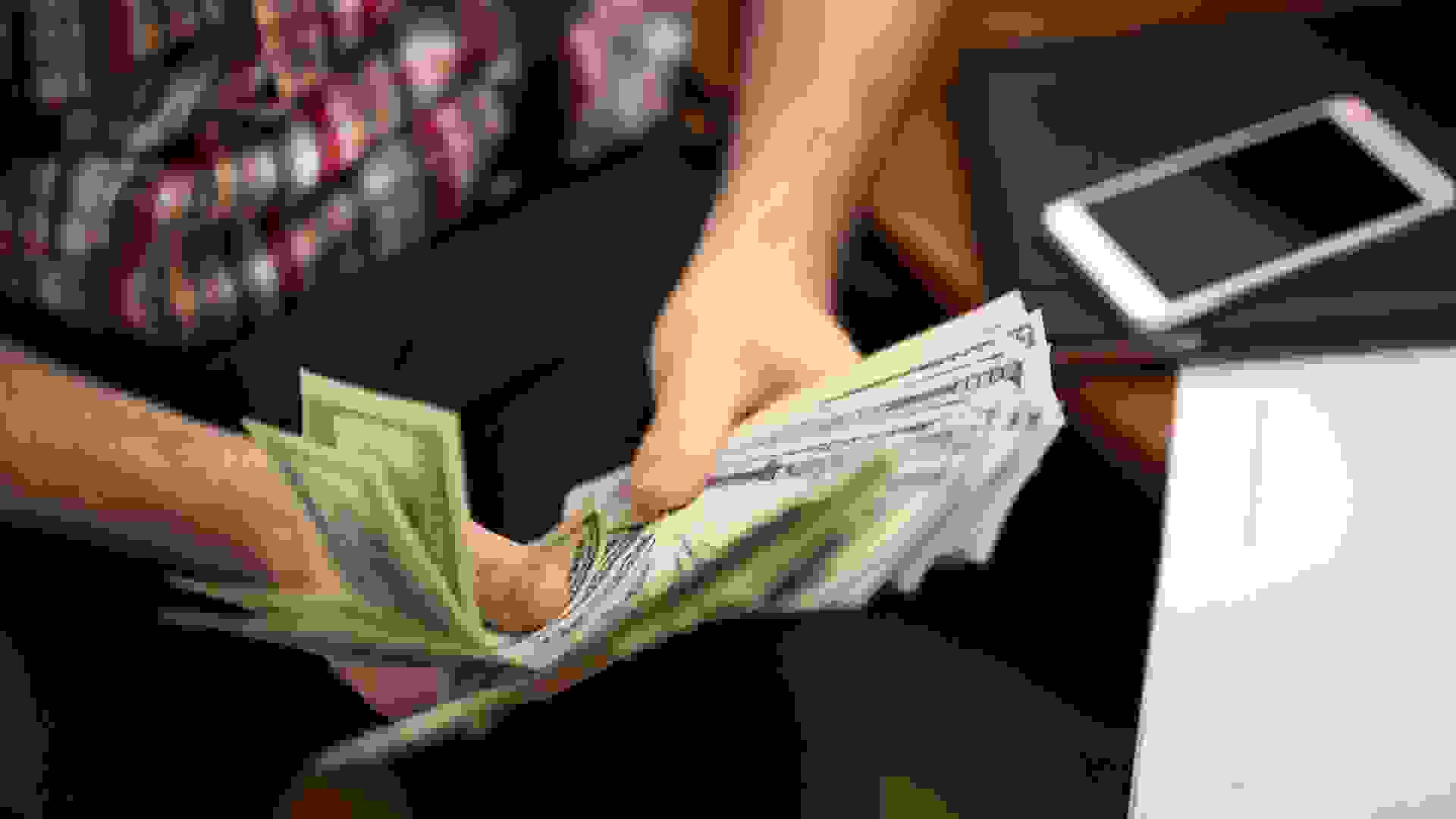
Part of being prepared for whatsoever contingency, big or small, is having a reserve of emergency cash at your disposal at all times. When you tin't rely on accessing your funds electronically, you'll need some legal tender to buy food, gas or other necessities.
"Whether it's Female parent Nature or some other disaster out of your control, you always desire to be prepared by having some emergency cash on hand," said Annalee Leonard, an investment advisor representative and president of Mainstay Financial Grouping. "Banks and ATMs may not be upwardly and running for days after a stiff tempest. I recommend my clients take 3 to five days' worth of spending coin, just in case."
How To Decide How Much To Save
To decide how much to save for an emergency fund, you lot'll need to ask yourself a couple of questions:
- How much will I need for an farthermost catastrophic event?
- How much tin I afford to salve?
"It'southward wise to have a small amount of concrete cash at home for the truest of emergencies when banks are non operating," said Priyanka Prakash, managing editor at Fit Small Business concern, a company that finds the best small-business software, services and financing options.
Learn: fifteen Ways To Brand Coin Fast
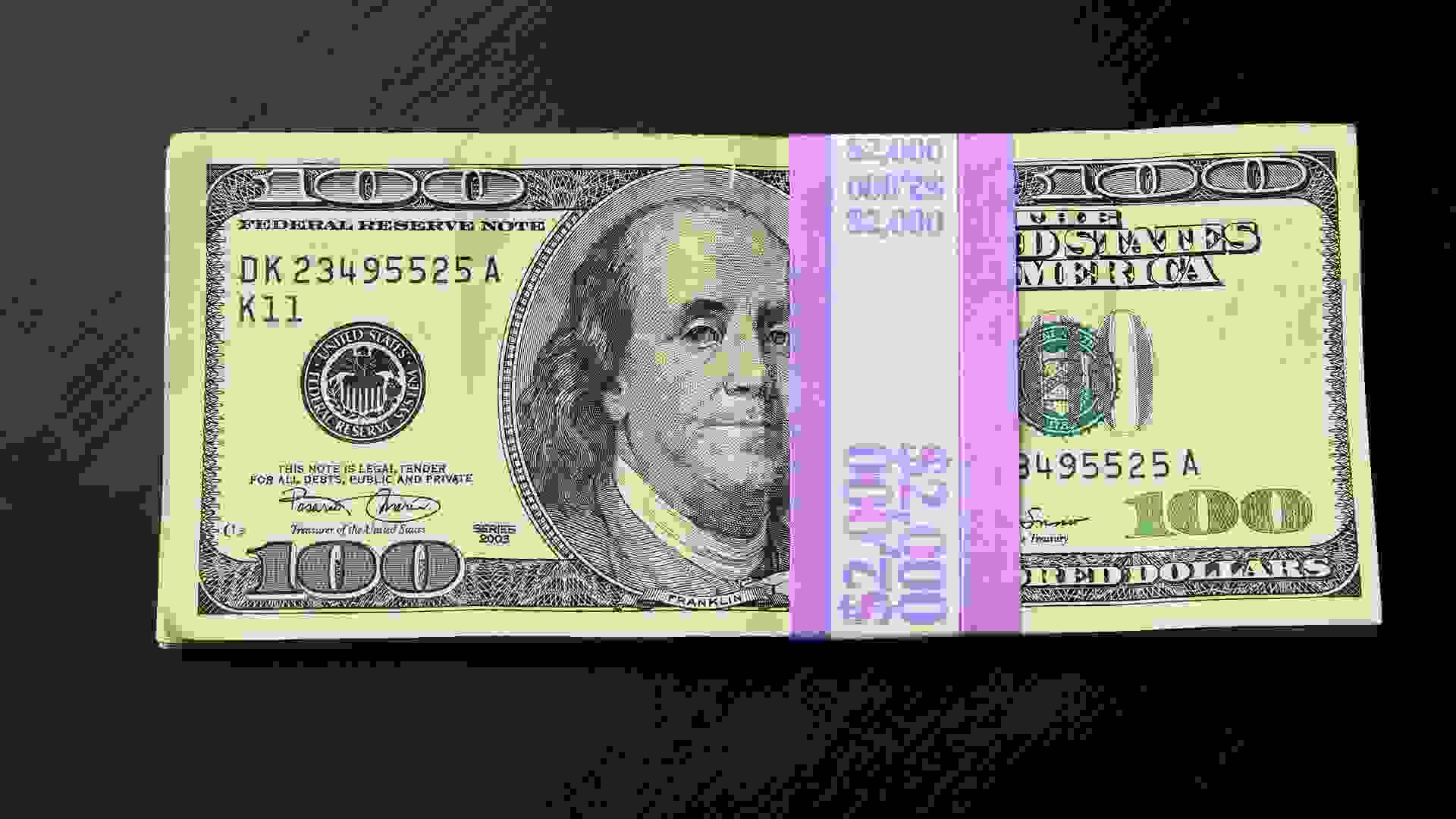
Aim To Save $2,000
"Individuals should be prepared to pay for essential or non-discretionary expenses out-of-pocket," said Brett Tharp, CFP and financial planning educational activity consultant at eMoney Advisor. "Temporary lodging or shelter, fuel, food, water and necessary medications autumn into this category. This will differ for each person depending on their level of preparedness or perception of how likely a catastrophic event might be."
Two-thousand dollars should cover those costs.
"The rule of thumb I advise my clients is to keep $one,000 to $ii,000 in cash in example banking operations are shut downward due to a national emergency or ending," said Gregory Brinkman, president of Brinkman Financial in Tulsa, Oklahoma.
There's No 'Magic Number' for How Much To Save in Your Emergency Fund
Despite these suggestions and what some other experts might suggest, though, in that location's no magic amount yous should have nestled away in your emergency fund. The answer for how much you should salvage for an emergency situation is that y'all should practice what feels right to you. No affair the amount, an emergency fund is absolutely necessary — so brand information technology a priority to build one.
Even if you can't afford to save much, information technology'south better to save something rather than nothing, Prakash said. So if y'all tin only afford to prepare bated $1,000 for an emergency fund, that's amend than not saving at all.
The Cost of Covering Necessities
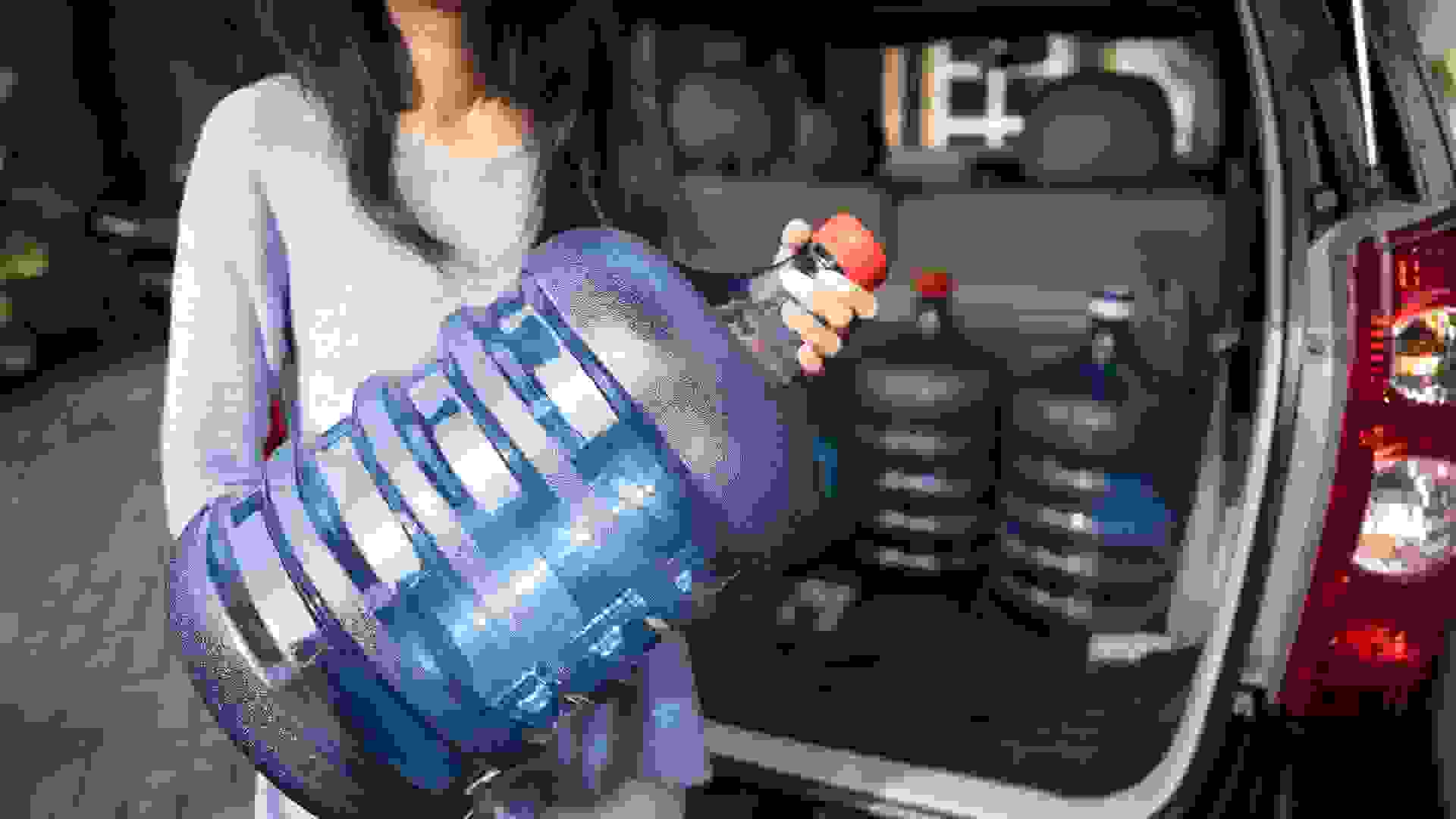
Take into account that in a national emergency, inflation volition rise, demand for necessities will increase and cost gouging will likely ensue. With all that in mind, in addition to your regular emergency savings, you should prepare to have enough to comprehend the following costs in a national emergency situation:
| H2o — 10 gallons | $28 |
| Gas — 20 gallons | $84 |
| Portable solar generator | $130 |
| Battery-powered lights | $twenty |
| Emergency solar mitt-crank radio | $20 |
Prices for gas and h2o will likely be much higher in the outcome of an actual national state of emergency. Notation that the items in the tabular array are emergency purchases for one person.
The Cost of an Emergency Kit
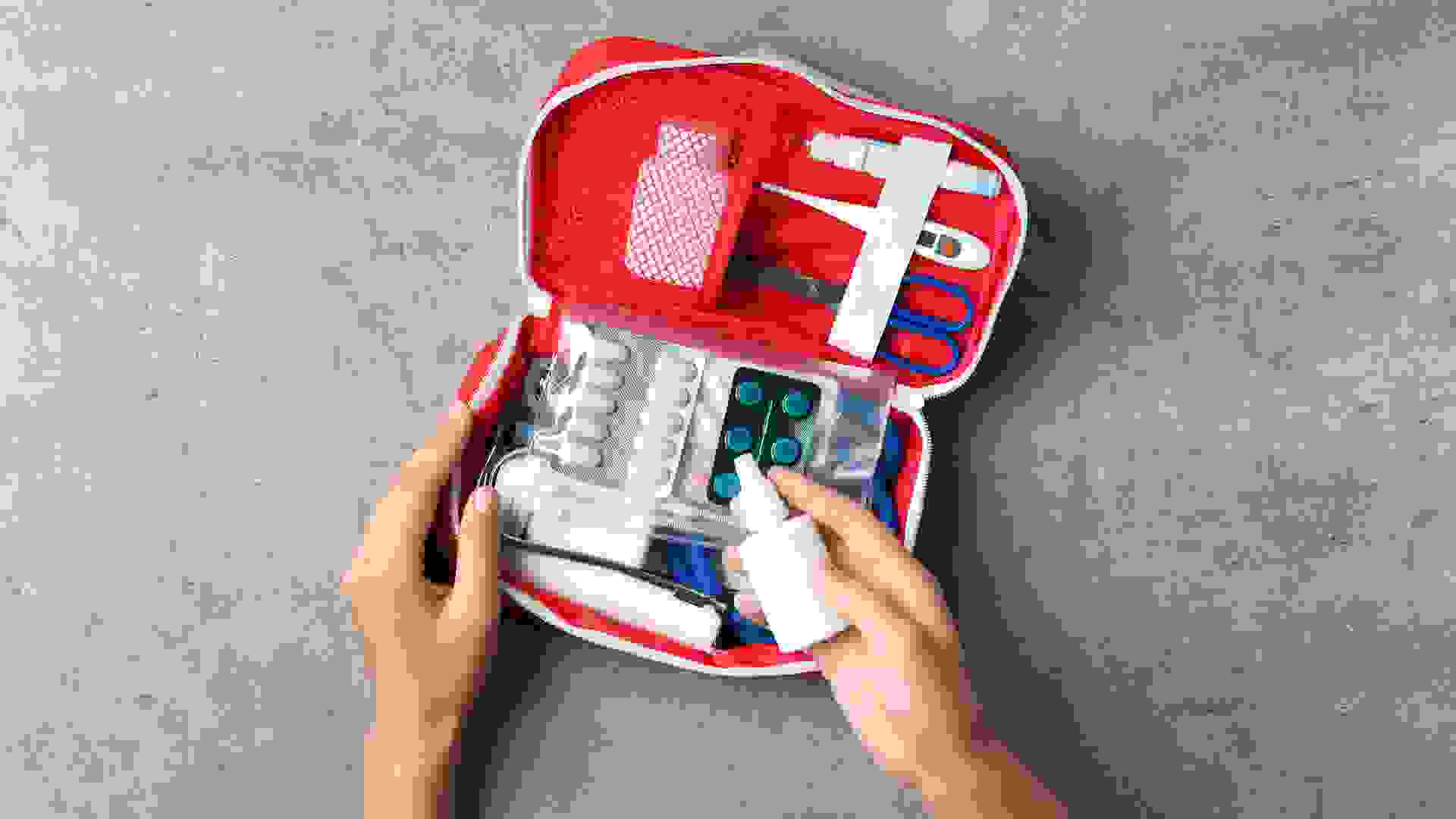
You should already have some kind of emergency kit that includes these recommendations from Money.com:
- Batteries and tools: $122
- Get-go aid supply kit: $48
- Nonperishable food: $120
- Medication: $38
- Spare clothing: $44
How Is a National Emergency Fund Different From Other Savings?

Dissimilar a regular emergency fund — which should be used to cover things similar unemployment, medical or auto emergencies, emergency dwelling house repairs or bereavement-related expenses — a national emergency fund should be reserved for catastrophes in which you cannot use credit cards.
Regular emergency savings should be stashed in some kind of savings, money market or certificate of deposit account. Your savings for a national emergency fund should be kept mostly in cash.
"Avoid the stock market because you can lose (your national emergency money) correct when you need it the nigh," Prakash said.
Neither type of emergency fund is meant to be dipped into or spent like disposable income, and creating one takes the same approach every bit that for a rainy-day fund, a nest egg or any other savings.
How To Start an Emergency Fund
The kickoff step in saving for a national emergency fund is creating a budget, said Rachel Cruze, writer and host of The Rachel Cruze Show and The Rachel Cruze Show podcast.
"A nada-based budget is best," she said. "This is where your income minus expenses equals zero, so you are giving every dollar a proper noun. Fifty-fifty if your income has changed or you lot've lost your job, list out any possible income you could have coming in and all your expenses. This volition help you to see what can exist cut from your budget so you tin stretch your money further and find means to save."
Good To Know: How Much Money You Should Keep in Each Type of Banking Account?
Set Savings Goals
Once you set your budget and see how much money you can realistically dedicate toward savings, it'south time to start setting some goals.Fiscal writer Dave Ramsey and many other experts propose starting small. If you're looking to set aside $iii,000 in 1 year, that would mean you'll have to save $250 per month over the next 12 months. Extend your savings goal to 18 months, and that'southward $166 per month.
Or you can automate saving a percentage of your income. "Put aside about ten% of your monthly take-abode income for your emergency fund," Prakash said.
Make Saving for Your Emergency Fund a Priority

Information technology's especially vital right at present to focus on saving, with chore insecurity at a high and stock values plummeting.
"Information technology'due south important to non panic but to be proactive in planning your finances over the next few months, because unlike strategies for saving more than money and having cash on hand," said Chalmers Brown, CTO and co-founder of Due. "I recommend doing a review of your new upkeep, considering your current job situation as well as accounting for reductions in spending. For instance, since you are quarantined, you are nearly likely spending considerably less on gas, eating out and amusement. Take that money out of your bank that you would have spent and put it in a lockbox as cash."
Put Other Contributions on Concord While You Build Your Emergency Fund

When yous're in the process of building your emergency fund, limit other saving contributions or debt repayments to only the necessary corporeality, Tharp said.
"For example, contribute enough to your company's 401(chiliad) to become the full company match and allocate the additional funds to your emergency savings," he said. "Additionally, maintain the minimum payments on outstanding debt to keep loan balances steady while directing additional money toward your emergency fund. One time y'all've built up plenty savings, y'all can continue to contribute money to other longer-term goals."
Should Your National Emergency Fund Be All Cash?

If you lot've managed to save upwards $15,000 in emergency funds over time, for example, information technology might not be a prudent idea to have all that coin in cold difficult cash sitting effectually your house. For 1 reason, it's dangerous, and 2, it might really be more you demand.
"At that place is a price to putting away a big amount of money for a rainy 24-hour interval: That price is inflation, which has averaged about 1 to 2% per year in the last few years," Prakash said. "To minimize loss from aggrandizement, it's wise to not continue too much of your emergency fund at home in physical cash. By keeping the bulk of the money in a savings account or a document of deposit, you can at least earn some involvement on information technology to counteract aggrandizement."
Consider Opening a Separate Savings Account To Serve as a National Emergency Fund

While it's smart to have up to $ii,000 in greenbacks in example of a depository financial institution shutdown, the rest of your emergency fund should be kept in a bank. Depositing your savings into an involvement-bearing checking business relationship or high-yield savings business relationship tin can assist multiply your savings over fourth dimension.
"When you set bated savings — whether for a holiday or for life'due south emergencies — you want to be able to get to it quickly merely non go along it somewhere that'south likewise easy to access," said Chris Hogan, author, financial expert and host of The Chris Hogan Bear witness. "Your money is safety within a bank. Depository financial institution deposits are insured past the FDIC and are protected upward to at least $250,000. The best place for your emergency fund is a money market business relationship or savings business relationship. If y'all want to go on some cash at home, that's fine, but I don't recommend cashing out your savings."
Notice Out: 9 Bills You Should Never Put on Autopay
Consider Having Some Greenbacks Saved in the Class of Culling Assets
"Cash is even so king beyond all kinds of crises. Therefore, you lot desire to ensure you accept an amount on hand to help y'all in instance it'southward necessary for purchasing some necessities," said Jason Powell, real estate and securities attorney at EstateInvesting.com. "Nonetheless, you may likewise want to wait into trading some of the cash you lot take for silver, gold and other avails that may be valuable in the coming yr or well-nigh future."
How To Hide Money at Home
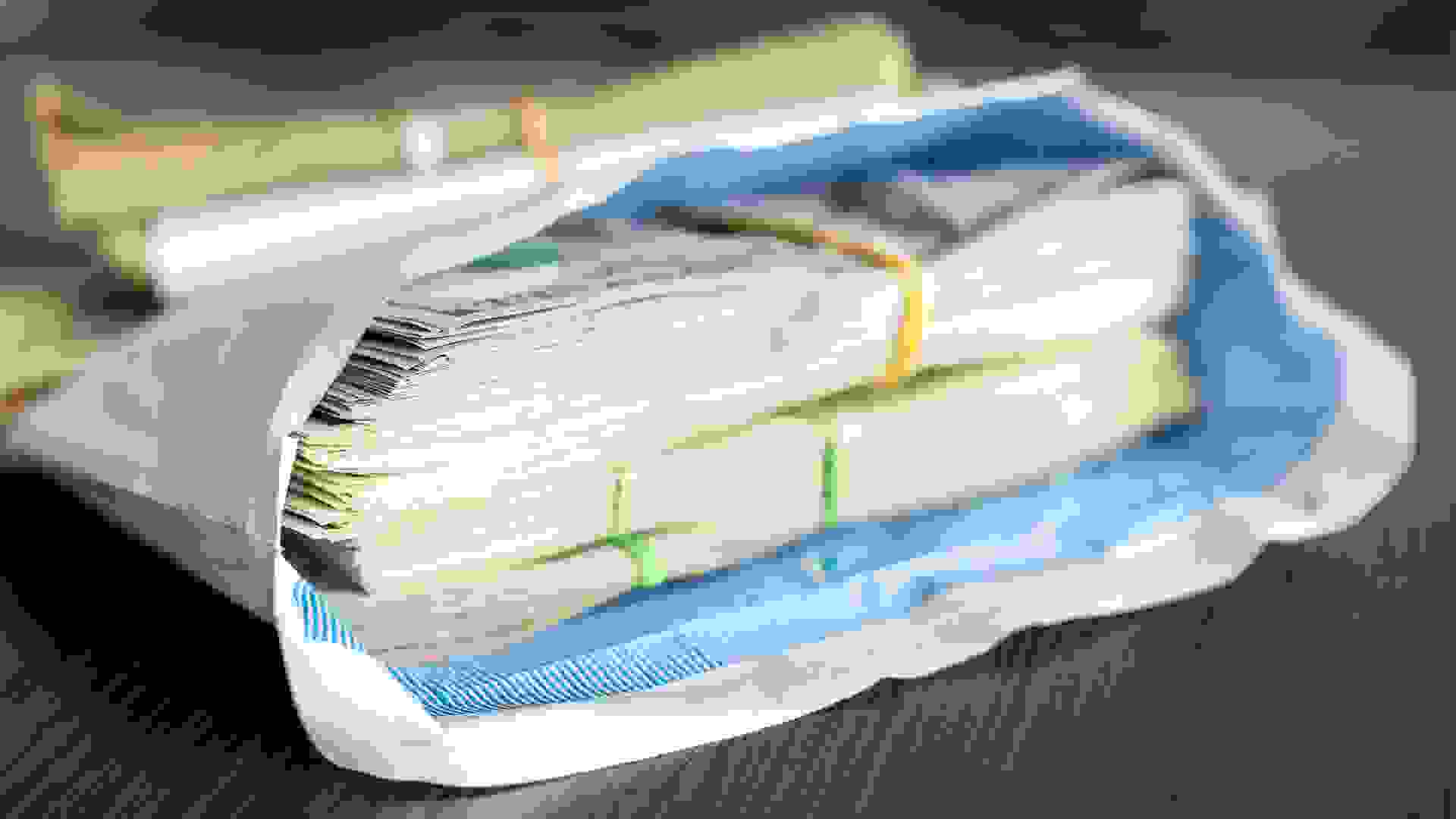
Many people are reluctant to keep large amounts of money in their homes for fear of theft or misplacement. Keeping cash at habitation is risky, especially when it'southward in big denominations. A habitation break-in is the type of emergency you lot won't have money for if your cash supply is stolen — physical money isn't insured and information technology'southward unlikely to be recovered. Finding secure and clever places to hide your emergency fund tin safeguard the security of your assets; recollect of information technology equally making a banking company within your home.
Common communication is to keep some cash at your house, simply not likewise much. The $i,000 cash fund Prakash recommended for having at abode should be kept in small denominations.
"Favor smaller bills like twenties because some retailers won't accept larger notes," she said.
Still, when looking to store your money in a compact style, larger bills in fewer quantities have up less infinite — so it's up to your discretion. Any you decide, stash your greenbacks away in a practical, yet unorthodox way.
"If you're going to have greenbacks at home, make sure it'south in a quality, fireproof safe," Hogan said. "This is more than secure than the usual suspects — under the mattress or the java container! Exist reasonable with how much yous put in the safe. It'southward OK to keep a couple thousand at home, merely I desire y'all to continue the majority of your coin secure and protected in a banking concern."
Other Options for Hiding Your Cash Stash

More than options for hiding your emergency cash funds include:
- A bottle of aspirin in your medicine cabinet
- A hollowed-out book
- Betwixt the paper-thin backing of a framed picture and the photo itself
- Encased in weatherproof fabric and buried in your lawn or the soil of a potted plant
- Enclosed in a plastic sandwich bag and hidden in the freezer amongst frozen foods
Why It'southward a Good Idea To Have Cash on Hand During an Emergency

Cash can be your biggest protection against a national emergency or disaster if circumstances prevent you from withdrawing cash from the banking company. It'southward kind of like insurance — you lot pay for it hoping you lot will never need it. The suggested hiding places should go along your money safe just in case that emergency should unexpectedly pop upwards.
What To Do Right Now If You Don't Have a National Emergency Fund

For some people, this communication is coming a little too late. Many have already lost their jobs and are in a place where they are struggling to pay for necessary expenses. If this is the case for you and you don't have a national emergency fund, it's important to know how to best prioritize your spending.
"The expenses that should be your priority right at present are the things you need to survive," Cruze said. "Whatever money or income you take should be dedicated to paying for what I phone call the 'four walls.' This is your nutrient, utilities, housing and transportation. If you're struggling to put food on the table, cut anything that is not essential like subscriptions or cable. Right at present, needs come starting time. But crisis or no crunch, practice non use debt to comprehend emergencies! Debt will only add to your bug. If you've lost your job, notice extra means to earn cash. Amazon is hiring 100,000 people. Food delivery services, grocery shopping services, grocery stores and online learning are all industries that are in need of assist right now."
Talk to Your Lenders
Near the Author
Source: https://www.gobankingrates.com/money/financial-planning/how-much-physical-cash-need-hand-case-national-emergency/
Posted by: peterkinlorip1986.blogspot.com

0 Response to "How Much Money Do People Store In Their Safes"
Post a Comment